São Tomé and Príncipe: African Development Bank Group Approves $24.5 Million Grant to Power Clean Energy Future - African Development Bank Group
Executive Summary
- ›The African Development Bank Group has approved a $24.5 million grant for São Tomé and Príncipe.
- ›The grant aims to bolster the country's clean energy sector.
- ›This funding supports São Tomé and Príncipe's sustainable development goals.
What Happened
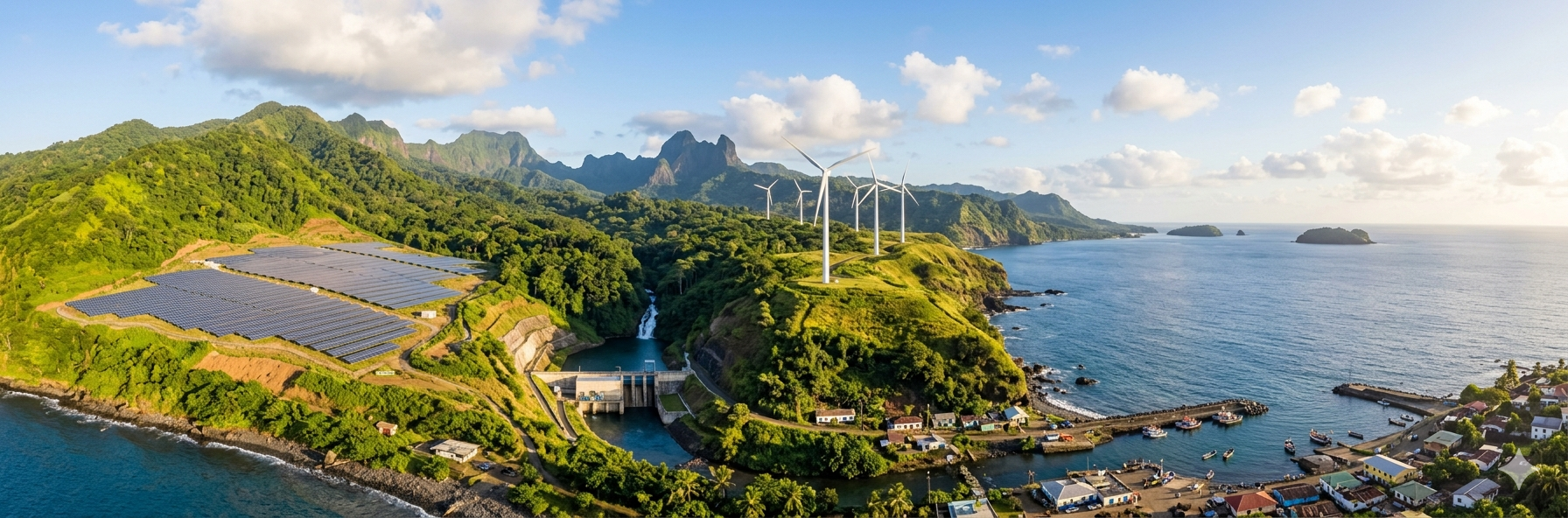
The African Development Bank Group has approved a $24.5 million grant for São Tomé and Príncipe. This financial support is specifically allocated to initiatives that will enhance the nation's clean energy infrastructure and capacity.
The grant underscores a commitment to fostering sustainable development and energy independence in São Tomé and Príncipe, aligning with broader regional and international efforts to transition to renewable energy sources.
Economic Implications
The approval of a $24.5 million grant from the African Development Bank Group to São Tomé and Príncipe carries several significant economic implications, primarily leveraging macroeconomic channels. From a fiscal perspective, this grant directly alleviates the domestic budgetary burden associated with critical infrastructure development, thereby freeing up limited public resources for other priority sectors or potentially reducing the need for deficit financing. This improvement in fiscal space can be particularly impactful for a small island developing state, enhancing fiscal sustainability and potentially strengthening sovereign credit fundamentals by demonstrating external support for strategic development. While direct monetary impacts are typically limited for grants unless they are a recurrent funding source, the project's success in reducing reliance on imported fossil fuels could indirectly influence external accounts by reducing foreign exchange outflows for energy imports, thereby bolstering the country's trade balance over the medium to long term.
Furthermore, this grant signals a positive outlook for capital flows into São Tomé and Príncipe. Such non-debt-creating external financial support can improve investor confidence by demonstrating multilateral commitment to the nation's economic development and stability. This can catalyze additional foreign direct investment, particularly in the energy sector, thereby diversifying the economy and fostering sustainable growth. For emerging markets, particularly those in the sub-Saharan African region, this initiative serves as a precedent and highlights the potential for multilateral development banks to de-risk investments in renewable energy, promoting a broader transition away from fossil fuels and supporting climate resilience strategies.
The second-order effects of this investment extend to improvements in productivity and competitiveness across the São Toméan economy. Enhanced access to reliable and affordable clean energy can lower operating costs for businesses, stimulate private sector activity, and contribute to job creation. This sustained economic activity can, in turn, increase government revenue through taxation, further strengthening the nation's fiscal position. The successful implementation of this clean energy initiative could also enhance the country's appeal as a destination for environmentally conscious investment and tourism, further diversifying its economic base and reducing its vulnerability to external shocks.
Market Impact
📊 What it means: $24.5M multilateral commitment to Africa. External financing eases; sovereign liquidity buffer improves.
🎯 Likely market reaction: • Recipient FX ↑ • Sovereign spreads ↓
🔭 Next 30–90 days (medium probability): Disbursement schedule supports BoP over 1–3 months; reform conditionality watched.
📍 Primary impact: Africa · Horizon: 1–3 months
Policy Perspective
The African Development Bank Group's (AfDB) approval of a $24.5 million grant to São Tomé and Príncipe for clean energy initiatives presents a multi-faceted policy implication for various multilateral institutions and national financial authorities. For the AfDB itself, this grant underscores its strategic commitment to climate finance, regional energy integration, and sustainable development goals, particularly within small island developing states. The intervention aligns with the Bank's High 5 priorities, specifically "Light up and Power Africa." This action also sets a precedent for de-risking renewable energy investments in fragile or small economies, potentially influencing future concessional lending and grant allocations across the continent. From the perspective of the International Monetary Fund (IMF), such non-debt-creating grant financing is generally viewed favorably as it strengthens external sustainability and improves the fiscal space of the recipient country without increasing debt vulnerabilities, a common concern in Article IV consultations. The World Bank, often engaged in broader infrastructure and governance reforms, would likely view this grant as complementary to its own development objectives, particularly those focused on energy access, green growth, and climate resilience. The International Finance Corporation (IFC) might perceive this public sector investment as a catalyst for future private sector participation in São Tomé and Príncipe's energy sector, potentially identifying opportunities for blended finance or direct investments once initial public infrastructure is established.
Central banks and finance ministries in comparable emerging markets will be observing the implementation and impact of this initiative. For São Tomé and Príncipe's Ministry of Finance, the immediate benefit is the direct alleviation of fiscal pressure and the reallocation of domestic resources. However, the accompanying conditionality, while not explicitly detailed in the grant announcement, typically involves rigorous project management, procurement transparency, environmental and social safeguards, and adherence to specific disbursement milestones. These conditionalities, while crucial for accountability and project success, can pose implementation challenges for recipient countries with limited administrative capacity. For the Central Bank of São Tomé and Príncipe, the indirect benefits of reduced foreign exchange outflows for fossil fuel imports could contribute to greater exchange rate stability over the long term, reducing imported inflation pressures. The successful execution of this project could also strengthen the country's creditworthiness, making it more attractive for future development finance and foreign direct investment. However, a key trade-off lies in ensuring that the energy transition is equitable and does not unduly burden vulnerable populations during the implementation phase, requiring careful policy calibration alongside the technical execution of the project.
Analyst Commentary
Multilateral financing amounting to $24.5 million has been committed to select African economies. This external capital inflow is anticipated to provide a degree of relief to sovereign liquidity positions within the recipient countries.
The scheduled disbursement of these funds is expected to provide support for the balance of payments over the immediate one-to-three month horizon. Monitoring of reform conditionality, where applicable, will be a key factor.
Discussion (0)